Introduction:
In the unending quest for safer and more effective pain management, scientists have turned to the vast resources of the natural world. One promising discovery comes from the venom of a marine snail, Conus magus, which has yielded a potent pain-relieving compound. This compound, known as conopeptide, holds the potential to revolutionize pain treatment by providing an alternative to highly addictive opioids. In this article, we explore the unique properties of conopeptide and its implications for the future of pain management.
Conopeptide: Unveiling Nature's Painkiller:
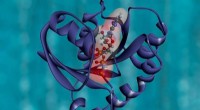
Conopeptides are a group of small proteins found in the venom of cone snails. There are over 1,000 conoepeptides, each targeting specific ion channels or receptors in the nervous system. Some of these peptides have demonstrated remarkable pain-relieving properties. For instance, one conopeptide known as ziconotide has been approved for treating severe chronic pain and is already in clinical use.
How does Conopeptide Work?
Ziconotide exerts its pain-relieving effects by blocking the activity of N-type calcium channels in neurons. These channels play a crucial role in the transmission of pain signals from peripheral nerves to the brain. By targeting N-type calcium channels, ziconotide inhibits the propagation of pain impulses, providing effective pain relief.
Opioid Crisis: An Urgent Need for Alternatives:
The opioid crisis has highlighted the urgent need for safer pain management options. While effective in managing severe pain, opioid painkillers come with significant risks, including addiction, respiratory depression, and abuse potential. The search for non-opioid alternatives is essential for addressing the opioid epidemic and ensuring patient safety.
Conopeptide: A Safer Choice:
In comparison to opioids, conopeptide offers several advantages. It demonstrates a lower risk of addiction and respiratory depression. This makes it particularly valuable for managing chronic pain conditions, where prolonged use of pain medication is often necessary. Additionally, conopeptide has a unique mechanism of action, targeting N-type calcium channels rather than opioid receptors, reducing the potential for cross-tolerance with opioids.
Conclusion:
The compound derived from the marine snail, Conus magus, holds great promise as an alternative to opioids. Early research indicates its potent pain-relieving properties alongside a lower risk of addiction and severe side effects. As conopeptide continues to undergo clinical trials and gains FDA approval, it could become a game-changer in pain management, offering hope for millions suffering from chronic pain. The potential of this natural compound underscores the untapped potential of nature's pharmacy and the importance of exploring the diversity of marine life in the search for new medical solutions.