Cigarette smoke contains a high concentration of free radicals, which are highly reactive molecules that can damage cells and DNA. These free radicals are thought to be responsible for many of the health risks associated with smoking, including cancer, heart disease, and respiratory disease.
There are several methods that can be used to measure the concentration of free radicals in cigarette smoke. One common method is the use of electron spin resonance (ESR) spectroscopy. ESR spectroscopy can detect unpaired electrons, which are characteristic of free radicals. The concentration of free radicals in a sample can be determined by measuring the intensity of the ESR signal.
Another method that can be used to measure free radicals in cigarette smoke is the use of chemiluminescence. Chemiluminescence is the emission of light from a chemical reaction. When free radicals react with certain chemicals, they can produce light. The intensity of the light emitted can be used to determine the concentration of free radicals in a sample.
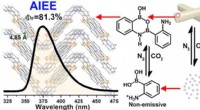
A third method that can be used to measure free radicals in cigarette smoke is the use of fluorescence spectroscopy. Fluorescence spectroscopy measures the emission of light from a molecule after it has been excited by light of a specific wavelength. Some molecules, such as free radicals, can fluoresce when they are excited by light. The intensity of the fluorescence emitted can be used to determine the concentration of free radicals in a sample.
The measurement of free radicals in cigarette smoke can be used to assess the potential health risks associated with smoking. The higher the concentration of free radicals in cigarette smoke, the greater the potential health risk.