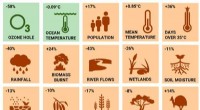
A new study has found that air pollution levels in the eastern United States are more stagnant in the winter than in the summer. The study, which was published in the journal *Atmospheric Environment*, found that this is due to a combination of factors, including changes in atmospheric circulation patterns, increased emissions from heating sources, and reduced plant growth.
Atmospheric Circulation Patterns
One of the main reasons why air pollution levels are more stagnant in the winter is due to changes in atmospheric circulation patterns. In the summer, the jet stream, a fast-moving air current in the upper atmosphere, is typically located further north. This allows for more frequent storms to move through the eastern United States, which helps to disperse air pollution. However, in the winter, the jet stream is typically located further south, which blocks storms from moving through the region and allows for air pollution to build up.
Increased Emissions from Heating Sources
Another reason why air pollution levels are more stagnant in the winter is due to increased emissions from heating sources. In the winter, people use more energy to heat their homes, which can lead to increased emissions of pollutants such as nitrogen oxides and particulate matter. These pollutants can contribute to smog and other air quality problems.
Reduced Plant Growth
Finally, reduced plant growth in the winter can also contribute to more stagnant air pollution levels. Plants help to remove pollutants from the air, but in the winter, when plants are not actively growing, they are less effective at doing so. This can lead to higher levels of air pollution in the winter.
Health Effects of Air Pollution
Air pollution can have a number of negative health effects, including respiratory problems, heart disease, and cancer. The elderly, children, and people with chronic health conditions are particularly vulnerable to the effects of air pollution.
Conclusion
The study's findings highlight the importance of reducing air pollution levels in the eastern United States, particularly in the winter. This can be done by reducing emissions from heating sources, increasing plant growth, and promoting the use of clean energy sources.


![New Cascade Reaction Enables Synthesis of Diazabicyclo[3.2.1]Octanes](https://www.scienceaq.com/article/uploadfiles/202110/2021102310463178_S.jpg)