There are two main types of AFPs:
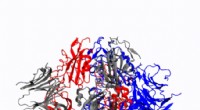
* Type I AFPs are small proteins that bind to the surface of ice crystals and inhibit their growth. They are found in a variety of organisms, including fish, insects, and plants.
* Type II AFPs are larger proteins that form a cage-like structure around ice crystals, preventing them from growing. They are found in some fish and insects.
AFPs are a fascinating example of how evolution has produced proteins that can perform very specific functions. These proteins are essential for the survival of many organisms that live in cold environments, and they have also been used to develop new technologies, such as ice-resistant coatings and cryopreservation methods.
How AFPs work
AFPs work by binding to specific sites on the surface of ice crystals. These sites are called "ice-binding sites," and they are composed of a combination of hydrophilic (water-loving) and hydrophobic (water-hating) amino acids. The hydrophilic amino acids bind to the water molecules on the surface of the ice crystal, while the hydrophobic amino acids interact with the ice itself.
This interaction prevents the water molecules from attaching to the ice crystal and growing. As a result, the ice crystal remains small and does not damage the cells or tissues of the organism.
Applications of AFPs
AFPs have a number of potential applications, including:
* Ice-resistant coatings: AFPs can be used to coat surfaces and prevent them from icing up. This is important for a variety of applications, such as aircraft wings, wind turbines, and power lines.
* Cryopreservation: AFPs can be used to protect cells and tissues from damage during freezing and thawing. This is important for medical applications, such as stem cell storage and organ transplantation.
* Food preservation: AFPs can be used to prevent ice crystal formation in food, which can extend the shelf life of frozen foods.
AFPs are a promising new technology with a wide range of potential applications. As research continues, we are likely to find even more ways to use these proteins to improve our lives.