Title: How Tear gas affects your body
Duration: 4 minutes 56 seconds
[Title shot]
Scene 1: Exterior shots of a protest with people holding signs and marching in the streets. Police in riot gear are seen standing guard.
Narrator (Voiceover): Tear gas is a chemical agent that is used by law enforcement and military forces to disperse crowds. It is a colourless gas with a sharp, pungent odour that causes immediate and intense irritation to the eyes, nose, throat, and lungs.
Scene 2: Close-up shot of a person's face, with tears streaming down their cheeks and their eyes squinting in pain.
Narrator (Voiceover): In this video, we will explore how tear gas affects your body and the potential health risks associated with exposure.
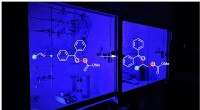
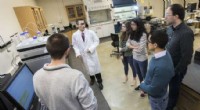
Scene 3: Laboratory footage showing a scientist handling and explaining tear gas.
Expert 1 (Scientist): Tear gas, also known as CS gas, is a chemical compound that belongs to a group of chemicals called lachrymatory agents. These agents are specifically designed to cause tearing, pain, and inflammation in the eyes.
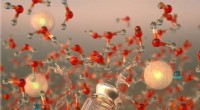
Scene 4: Animation depicting tear gas particles dispersing in the air and coming into contact with a person's face.
Narrator (Voiceover): When tear gas is deployed, it rapidly vaporises and forms tiny particles that can stay suspended in the air for several minutes. These particles can easily come into contact with your eyes, nose, and mouth when you breathe or even through skin contact.
Scene 5: Slow-motion footage of a person being exposed to tear gas, showing the immediate reaction and discomfort.
Expert 2 (Medical professional): The primary effects of tear gas are immediate and intense irritation to the eyes, nose, throat, and lungs. This irritation triggers a range of symptoms, including burning and pain in the eyes, profuse tearing, coughing, sneezing, difficulty breathing, and a runny nose.
Scene 6: Hospital footage of a person being treated for tear gas exposure, showing medical personnel flushing their eyes and providing respiratory support.
Narrator (Voiceover): In severe cases, tear gas exposure can lead to more serious health problems such as corneal abrasions, temporary blindness, chemical conjunctivitis, bronchitis, and even, in rare cases, death due to respiratory failure.
Scene 7: Laboratory footage of tear gas being analysed and tested.
Expert 1 (Scientist): The effects of tear gas can vary based on factors such as the concentration of the gas, the duration of exposure, and the individual's overall health and sensitivity. While tear gas is generally not considered a lethal weapon, it can cause significant discomfort and health risks.
Scene 8: Footage of a peaceful protest, showing people holding hands and chanting slogans.
Narrator (Voiceover): Tear gas is a powerful and potentially dangerous chemical agent that should be used with caution and only as a last resort when other non-violent means of crowd control have failed. It is important to remember that the use of force against peaceful protestors raises serious concerns about human rights and civil liberties.
[Closing shot with the video title and logo]