X-ray synchrotrons are powerful sources of X-rays, which are used in a variety of scientific and industrial applications. In recent years, there has been growing interest in using X-ray synchrotrons to study and develop clean water technologies.
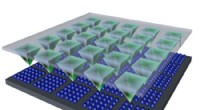
One of the most promising applications of X-ray synchrotrons in clean water technology is the study of water purification membranes. Membranes are used to remove impurities from water, and they are essential for a variety of water treatment applications, including desalination, wastewater treatment, and drinking water purification. X-ray synchrotrons can be used to study the structure and properties of membranes, and this information can be used to design more efficient and effective membranes.
Another promising application of X-ray synchrotrons in clean water technology is the study of water contaminants. X-ray synchrotrons can be used to identify and quantify contaminants in water, and this information can be used to develop more effective water treatment methods.
Finally, X-ray synchrotrons can also be used to study the interactions between water and other materials. This information can be used to develop new water-based technologies, such as fuel cells and batteries.
The use of X-ray synchrotrons in clean water technology is still in its early stages, but there is great potential for this technology to make a significant contribution to the development of new and improved water treatment methods.
Here are some specific examples of how X-ray synchrotrons have been used to study and develop clean water technologies:
* X-ray synchrotron radiation has been used to study the structure of water purification membranes. This information has been used to design more efficient and effective membranes.
* X-ray synchrotron radiation has been used to identify and quantify contaminants in water. This information has been used to develop more effective water treatment methods.
* X-ray synchrotron radiation has been used to study the interactions between water and other materials. This information has been used to develop new water-based technologies, such as fuel cells and batteries.
These are just a few examples of the many ways that X-ray synchrotrons are being used to study and develop clean water technologies. As this technology continues to develop, we can expect to see even more innovative and effective water treatment methods being developed.