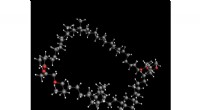
Photosynthesis is a complex process that involves a series of chemical reactions. The first step in photosynthesis is the absorption of light energy by chlorophyll, a green pigment that is found in the leaves of plants. This light energy is then used to split water molecules into hydrogen and oxygen atoms. The oxygen atoms are released into the atmosphere, while the hydrogen atoms are used to reduce carbon dioxide to form glucose, a sugar that is used by plants as food.
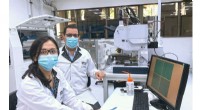
The chemistry of photosynthesis is very similar to the chemistry that occurs in a photochemical reactor. A photochemical reactor is a device that uses light energy to drive chemical reactions. These reactors are often used to produce chemicals that are used in the pharmaceutical, food, and agricultural industries.
One of the advantages of using photochemical reactors is that they can be used to produce chemicals that are difficult or impossible to produce using traditional methods. For example, photochemical reactors can be used to produce fine chemicals, which are chemicals that are used in small quantities in a variety of applications.
Another advantage of using photochemical reactors is that they are environmentally friendly. Photochemical reactors do not produce any waste products, and they do not require the use of hazardous chemicals.
As research into photochemical reactions continues, we can expect to see even more applications for this technology in the future. Photochemical reactors could be used to produce new fuels, new materials, and new drugs. They could also be used to clean up pollution and to generate renewable energy.
The chemistry of green light photosynthesis is a fascinating and complex field of study. This field of study has the potential to revolutionize the way we produce food, energy, and materials.