1. Surface Reactions: Urban grime can alter the reactivity of surfaces by providing additional reactants or catalysts. For example, the presence of transition metal ions in grime can accelerate certain chemical reactions by acting as catalysts.
2. Adsorption and Absorption: Urban grime can act as an adsorbent or absorbent, capturing chemicals and altering their concentrations in the environment. This can affect the equilibrium and kinetics of chemical reactions, especially those involving gaseous pollutants.
3. pH Changes: The deposition of acidic pollutants or alkaline dust particles can change the pH of surfaces and water bodies in urban areas. These pH changes can impact the solubility and reactivity of chemicals, particularly those that are pH-sensitive.
4. Photochemical Reactions: Urban grime can influence photochemical reactions by absorbing or scattering sunlight. This can alter the intensity and wavelength of light available for photochemical reactions, affecting the rates of reactions such as smog formation and photodegradation of pollutants.
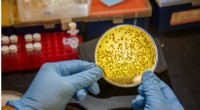
5. Microbial Activity: Urban grime can host various microorganisms, such as bacteria and fungi, that can mediate chemical reactions through their metabolic activities. These microorganisms can degrade pollutants, produce enzymes that catalyze reactions, or contribute to the formation of biofilms that further influence chemical processes.
6. Complex Mixtures: Urban grime often contains a complex mixture of pollutants, including heavy metals, organic compounds, and particulate matter. The interactions between these substances can lead to the formation of new compounds and alter the reactivity of the overall chemical system.
7. Weathering and Aging: Urban grime can undergo weathering and aging processes over time, which can change its chemical composition and properties. These changes can impact the interactions between grime and chemicals, as well as the overall reaction rates.
Understanding the effects of urban grime on chemical reactions is crucial for assessing the environmental impact of urbanization and developing strategies to mitigate its effects. Researchers use various techniques, such as surface analysis, chemical modeling, and field experiments, to study the complex interactions between urban grime and chemical processes in urban environments.