1. Sustainable Feedstocks:
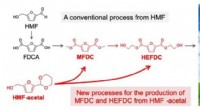
- There's a growing emphasis on utilizing renewable and sustainable feedstocks, such as biomass, carbon dioxide, and waste materials, to synthesize value-added chemicals. This aligns with the principles of green chemistry and circular economy.
2. Catalytic Technologies:
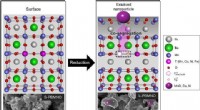
- The development of efficient and selective catalysts is crucial for the sustainable synthesis of value-added chemicals. Homogeneous, heterogeneous, and bio-based catalysts are being explored to optimize reaction conditions, atom economy, and energy efficiency.
3. Atom Economy and Efficiency:
- Designing synthetic routes with high atom economy (minimal waste generation) and overall process efficiency is a priority. This involves minimizing the number of steps, reducing energy consumption, and maximizing the utilization of starting materials.
4. Multicomponent Reactions (MCRs):
- MCRs, where multiple reactants combine in a single step to form complex molecules, offer a powerful approach for the synthesis of diverse chemical libraries and bioactive compounds.
5. Photoredox Catalysis:
- Photoredox catalysis uses light energy to drive chemical transformations. This approach enables the activation of substrates under mild conditions and facilitates the incorporation of renewable energy sources into chemical synthesis.
6. Electrosynthesis:
- Electrochemical methods for the synthesis of value-added chemicals provide an environmentally friendly alternative to conventional processes. Electrocatalytic systems can utilize electricity from renewable sources, such as solar and wind power.
7. Functionalized Materials:
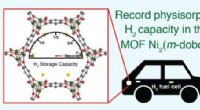
- The synthesis of value-added chemicals can be integrated with the development of functionalized materials. For example, porous materials and metal-organic frameworks (MOFs) can serve as supports for catalysts or as templates for the synthesis of complex structures.
8. Data-Driven Approaches:
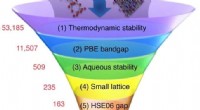
- Computational methods, machine learning, and data analysis are increasingly used to optimize reaction conditions, predict product selectivity, and guide the design of new synthetic routes.
9. Integration of Synthetic Biology:
- Synthetic biology enables the engineering of microorganisms or enzymes for the production of specific value-added chemicals. This approach can leverage nature's biosynthetic pathways for sustainable chemical synthesis.
10. Techno-Economic Analysis:
- Assessing the techno-economic feasibility of value-added chemical synthesis is crucial for commercial viability. Factors such as feedstock costs, process scalability, energy consumption, and market demand are considered.
11. Regulatory Considerations:
- The development of new synthetic methods must comply with regulatory requirements, including safety, environmental impact, and waste management.
In summary, the field of value-added chemical synthesis is continuously evolving, driven by the need for sustainable processes, efficient catalysis, renewable feedstocks, and integration with advanced technologies. By harnessing these advancements, industries can contribute to a more sustainable and value-driven chemical production ecosystem.