Efflux pumps are protein complexes located in the cell membranes of bacteria and other microorganisms. They function as molecular pumps that actively transport antimicrobial agents out of the cell, reducing their intracellular concentration and thereby rendering the antimicrobial agents ineffective.
These efflux pumps can transport a wide range of antimicrobial agents, including antibiotics, antifungals, and antiviral drugs. They can be classified into several families based on their structure, mechanism of action, and substrate specificity. Some of the well-known efflux pump families involved in AMR include the Resistance-Nodulation-Division (RND) family, the Major Facilitator Superfamily (MFS), the Small Multidrug Resistance (SMR) family, and the ATP-Binding Cassette (ABC) family.
Here's a brief overview of how efflux pumps transport toxins at the molecular level:
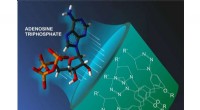
1. Energy Source: Efflux pumps utilize energy from the cell to transport toxins out of the cell. Some pumps use the energy from ATP (adenosine triphosphate) hydrolysis, while others utilize the proton motive force generated by the movement of protons across the cell membrane.
2. Substrate Binding: The efflux pumps have specific binding sites for the toxins or antimicrobial agents they transport. These binding sites vary in their affinity and specificity for different antimicrobial agents. When an antimicrobial agent binds to the efflux pump, it undergoes a conformational change that triggers its transport.
3. Translocation: Once bound to the efflux pump, the antimicrobial agent is translocated across the cell membrane. The efflux pumps use their energy source to drive this transport process. The antimicrobial agent is pumped out of the cell, decreasing its intracellular concentration and reducing its effectiveness.
4. Multidrug Resistance: Many efflux pumps have a broad substrate specificity and can transport multiple types of antimicrobial agents. This can lead to multidrug resistance, where a single efflux pump can confer resistance to several different drugs simultaneously.
5. Regulation: The expression of efflux pumps is often regulated by various factors, including the presence of antimicrobial agents, environmental stresses, and genetic mutations. This regulation allows bacteria to adapt and develop resistance to antimicrobial agents over time.
In conclusion, efflux pumps are key players in antimicrobial resistance, contributing to the transport of toxins and antimicrobial agents out of bacterial cells. Understanding the molecular mechanisms of efflux pumps and their regulation can provide valuable insights for developing strategies to combat antimicrobial resistance.