1. Light Absorption:
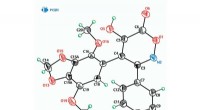
- Chloroplasts in plant cells contain chlorophyll, a green pigment that absorbs light energy from the sun.
2. Photosystems:
- Within chloroplasts, there are two photosystems: Photosystem II (PSII) and Photosystem I (PSI).
3. Light Reactions (Electron Transport Chain):
- In PSII, the absorbed light energy excites electrons, causing them to move to a higher energy level.
- These high-energy electrons are passed along an electron transport chain, generating an electrochemical gradient across the thylakoid membrane.
- As part of this process, PSII splits water molecules, releasing oxygen as a byproduct. The oxygen diffuses out of the chloroplasts and into the atmosphere.
4. Generation of ATP and NADPH:
- The energy released during the electron transport in the light reactions is used to synthesize adenosine triphosphate (ATP) and nicotinamide adenine dinucleotide phosphate (NADPH).
- ATP and NADPH are energy carrier molecules that temporarily store the energy harvested from sunlight.
5. Calvin Cycle (Dark Reactions):
- The ATP and NADPH produced in the light reactions are used in the Calvin cycle to reduce carbon dioxide and form glucose.
- This phase does not require direct sunlight and can occur even in the dark, hence the term "dark reactions."
It's important to note that the production of oxygen during photosynthesis is crucial for life on Earth. The oxygen released by plants constitutes the majority of the atmospheric oxygen necessary for respiration in both plants and animals.