The primary factor behind the excruciating pain caused by scorpion stings is their venom. Scorpions possess a venomous stinger located at the tip of their tail, which they use for defense and capturing prey. The venom contains a complex mixture of biologically active compounds, including neurotoxins, peptides, and enzymes. These components work together to produce various physiological effects in the human body, including intense pain.
Neurotoxicity
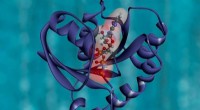
The neurotoxic components of scorpion venom target the nervous system, specifically affecting voltage-gated ion channels in nerve cells. These ion channels are critical for the proper functioning of nerves, as they control the flow of ions across the cell membrane, which is essential for generating and transmitting electrical signals.
When scorpion venom interacts with these ion channels, it disrupts their normal function, causing an abnormal flow of ions and interfering with the transmission of nerve impulses. This disruption leads to various neurological symptoms, including severe pain, numbness, tingling sensations, and, in extreme cases, paralysis.
Local Tissue Damage
In addition to neurotoxicity, scorpion venom can also cause significant local tissue damage at the site of the sting. The venom contains enzymes that break down proteins and other cellular components, resulting in inflammation, swelling, and tissue destruction. This damage can further exacerbate the pain experienced by the individual.
Sympathetic Nervous System Activation
The intense pain and tissue damage caused by scorpion stings can trigger a strong activation of the sympathetic nervous system, a branch of the autonomic nervous system that controls the body's involuntary responses. This activation leads to increased heart rate, blood pressure, sweating, and a release of stress hormones like adrenaline. These physiological responses can further amplify the pain and discomfort experienced by the individual.
Individual Sensitivity
It's important to note that the severity of pain and systemic effects following a scorpion sting can vary among individuals. Factors such as the species of scorpion, the amount of venom injected, and the individual's unique sensitivity to the venom can influence the intensity and nature of the pain experienced.