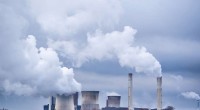
Climate change is one of the most pressing challenges facing the world today. Humans activities are releasing greenhouse gas emissions into Earth's atmosphere, causing the climate system to change, leading to more extreme weather events, rising sea levels, melting ice, and changing ecosystems.
Carbon labeling is one way to address climate change by informing consumers about the carbon emissions associated with products they buy. This transparency can help consumers make informed choices and purchase products with a lower carbon footprint, thus reducing greenhouse gas emissions. However, it is necessary to ensure that carbon labels are accurate, consistent, reliable and easily understood by consumers.
How Carbon Labels Work:
>1. Carbon Footprint Calculation: The carbon footprint of a product is calculated by assessing the amount of greenhouse gas emissions, particularly CO2, emitted throughout its lifecycle, including raw material extraction, production, distribution, use and disposal.
>2. Labeling Requirements: Once the carbon footprint is determined, the product may be required to display the information on its packaging according to specific guidelines and standards. This often involves displaying the carbon footprint in a standardized format, such as kilograms of CO2 equivalent per unit of product.
>3. Consumer Understanding: The carbon label enables consumers to understand the environmental impact of a product. They can compare the carbon footprint of different products within the same category and make informed choices based on the information provided.
>4. Market Pressure: The demand for low-carbon products can drive market competition, leading to innovations in production processes and the adoption of more sustainable practices by companies. As consumers increasingly look for products with a lower carbon footprint, businesses have an incentive to reduce their emissions.
>5. Product Differentiation & Eco-Friendly Branding: Carbon labeling can serve as a means of differentiation for brands committed to sustainability. Companies can showcase their efforts in reducing emissions, leading to improved brand recognition and consumer loyalty.
Benefits of Carbon Labeling:
>1. Consumer Awareness: Provides transparency and informs consumers about the environmental impact of their purchases, allowing them to make more sustainable choices.
>2. Market Incentives: Encourages businesses to reduce emissions and adopt sustainable practices to meet consumer demands and regulatory requirements.
>3. Public Policy: Supports policy-making efforts by governments and international organizations aimed at reducing greenhouse gas emissions.
>4. Product Differentiation: Allows businesses to differentiate their products based on their environmental performance and engage in eco-friendly marketing.
>5. Collaboration and Innovation: Facilitates collaboration between different stakeholders, including consumers, businesses, and policymakers, to collectively address climate change.
Challenges and Limitations:
>1. Standardized Methodology: Establishing a standardized and universally accepted methodology for carbon footprint calculation is crucial to ensure accuracy and comparability.
>2. Consumer Behavior and Perception: The effectiveness of carbon labeling depends on consumers' willingness to consider the environmental impact when making purchasing decisions.
>3. Transparency and Verification: Ensuring the accuracy and verification of carbon labels is essential to prevent greenwashing and maintain trust among consumers.
>4. Data Collection and Verification: Collecting accurate data for carbon footprint calculations can be complex, especially for products with intricate supply chains.
>5. Product Scope: Determining the appropriate level of detail and scope of carbon labeling can be challenging, as it may vary across different industries and products.
Conclusion:
Carbon labeling plays a crucial role in the fight against climate change by empowering consumers, driving market incentives, informing policy-making, and fostering collaboration among stakeholders. However, addressing challenges related to standardization, consumer behavior, data accuracy, and comprehensive product scope is essential to maximize the effectiveness of carbon labeling and mitigate the impact of climate change.