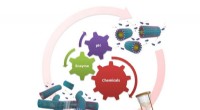
When the soil becomes acidic, the pH level decreases, which can disrupt the delicate balance of the soil ecosystem. This can lead to changes in the composition and activity of the microbial community, as well as a decrease in the overall microbial biomass.
Some of the ways that microbial communities adapt to soil acidification include:
1. Changing the composition of the community. Certain microbial species are more tolerant of acidic conditions than others, so they may become more abundant in acidic soils. These acid-tolerant species may have special adaptations that allow them to survive in low pH environments, such as the ability to produce acids or to tolerate high concentrations of metals.
2. Changing the activity of the community. The activity of microbial communities can be affected by soil acidification. For example, the rate of decomposition may decrease in acidic soils, as some of the microbes responsible for decomposition may be inhibited by the low pH.
3. Forming symbiotic relationships with plants. Some microbial species can form symbiotic relationships with plants, which can help to protect them from the effects of soil acidification. For example, mycorrhizal fungi can help plants to absorb nutrients from the soil, and they can also produce acids that help to lower the pH of the soil.
4. Producing organic acids. Some microbial species can produce organic acids, which can help to lower the pH of the soil. This can help to create a more favourable environment for acid-intolerant microbial species.
5. Evolving new adaptations. Over time, microbial communities can evolve new adaptations that allow them to survive in acidic conditions. This can occur through natural selection, where the microbes that are best adapted to the acidic environment are more likely to survive and reproduce.
Despite the challenges, microbial communities can adapt to soil acidification and continue to play an important role in the soil ecosystem. Their adaptability is essential for the functioning of healthy soils and the overall health of the planet.