Catalysts play a pivotal role in chemical reactions, enabling them to occur more quickly and efficiently. Traditionally, catalysts have been based on expensive and scarce metals such as platinum, rhodium, and palladium. These metals are not only limited in availability but also pose environmental challenges due to their toxicity.
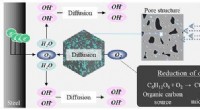
The research team, led by SLAC scientist Yiyang Li, focused on tungsten oxide, a compound that is abundant and environmentally benign. By manipulating its structure and composition, they were able to transform tungsten oxide into a highly efficient catalyst for several important chemical reactions, including the production of hydrogen, the removal of carbon dioxide, and the synthesis of pharmaceuticals.
One notable achievement of the team was the development of a tungsten oxide catalyst for the conversion of carbon dioxide into ethanol, a renewable fuel. This process involves capturing carbon dioxide from industrial emissions or the atmosphere and converting it into a valuable product.
"Our work demonstrates that tungsten oxide can be a versatile catalyst for a range of sustainable chemical transformations," said Li. "This discovery opens up new possibilities for the development of environmentally friendly processes that can reduce our dependence on fossil fuels and mitigate carbon emissions."
The researchers used a combination of advanced characterization techniques, theoretical calculations, and experimental methods to gain detailed insights into the structure, properties, and reactivity of tungsten oxide catalysts. This understanding allowed them to design and optimize the catalysts for specific applications.
The findings reported in the journal Nature Communications provide a significant step forward in the development of sustainable catalysis. By harnessing the potential of abundant and environmentally friendly materials like tungsten oxide, scientists can pave the way for greener and more efficient chemical processes, contributing to a more sustainable future.