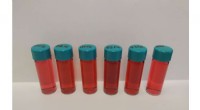
A new study has found that amaranth, a gluten-free grain, can be used as a natural food dye. The study, published in the journal Food Chemistry, found that amaranth extract can produce a variety of colors, including red, purple, and blue.
The researchers used a solvent extraction method to extract the pigments from amaranth seeds. They then tested the extracts for their color stability and antioxidant activity. The results showed that the amaranth extracts were stable at different pH levels and temperatures, and they also exhibited antioxidant activity.
The researchers believe that amaranth extract could be a potential natural food dye for use in the food industry. Amaranth is a relatively inexpensive and widely available grain, and it does not contain any known allergens. The extract is also stable and has antioxidant activity, which could make it a healthier alternative to synthetic food dyes.
Potential Applications of Amaranth as a Natural Food Dye
Amaranth extract could be used to color a variety of foods, including beverages, candy, ice cream, and yogurt. It could also be used in cosmetics and personal care products.
The use of natural food dyes is becoming increasingly popular as consumers become more aware of the potential health risks of synthetic food dyes. Amaranth extract is a promising natural food dye that has the potential to replace synthetic food dyes in a variety of applications.
Further Research is Needed
While the study results are promising, further research is needed to confirm the safety and efficacy of amaranth extract as a natural food dye. The researchers plan to conduct additional studies to evaluate the extract's toxicity, allergenicity, and stability in different food products.
If the results of these studies are positive, amaranth extract could become a valuable addition to the natural food dye industry. It could provide a safe, healthy, and affordable alternative to synthetic food dyes.