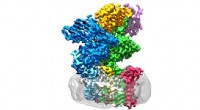
Interaction with 5-HT2A receptors: Psilocybin is structurally similar to serotonin, a neurotransmitter that plays a vital role in mood, perception, and cognition. Once ingested, psilocybin is metabolized into psilocin, the active hallucinogenic compound. Psilocin binds to and activates the 5-HT2A receptors in the brain and throughout the central nervous system.
Increased neuronal activity: Activation of 5-HT2A receptors leads to increased neuronal activity in various brain regions, including the prefrontal cortex, amygdala, and hippocampus. These areas are involved in perception, emotions, memory, and consciousness. The heightened neuronal firing rates and altered connectivity patterns result in the psychedelic effects associated with psilocybin.
Changes in neurotransmitter levels: Psilocybin also affects the levels of other neurotransmitters, such as dopamine, norepinephrine, and glutamate. These changes further contribute to the altered mental states and sensory experiences induced by psilocybin.
Enhanced neural plasticity: Studies suggest that psilocybin can enhance neural plasticity, the brain's ability to adapt and form new connections between neurons. This effect might underlie the potential therapeutic benefits of psilocybin in treating conditions like depression and addiction.
Default mode network disruption: The default mode network (DMN) is a group of brain regions that are active when the mind is at rest. Psilocybin disrupts the normal activity of the DMN, leading to reduced self-referential thinking and increased openness to new experiences.
It's important to note that the effects of psilocybin are highly variable and can depend on factors such as the individual's personality, set (mental state), and setting (environment). The use of psilocybin and other hallucinogenic substances should be approached with caution and, in certain cases, under the guidance of experienced professionals.