1. Removal of Heavy Metals:
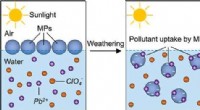
Used coffee grounds have shown promising results in removing heavy metals like lead, copper, and zinc from contaminated water sources. The adsorptive properties of coffee grounds allow them to bind and immobilize these metals, preventing their release into the environment.
2. Hydrocarbon Absorption:
Coffee grounds can act as effective absorbents for hydrocarbons, such as oil spills and petroleum-based pollutants. The porous structure and high surface area of coffee grounds enable them to trap hydrocarbon molecules, making them suitable for cleaning up oil spills and contaminated soils.
3. Pesticide and Herbicide Removal:
Used coffee grounds have been studied for their ability to remove pesticides and herbicides from agricultural runoff. The adsorption capacity of coffee grounds helps retain these chemicals, reducing their environmental impact and potential contamination of water bodies.
4. Wastewater Treatment:
Coffee grounds can be incorporated into wastewater treatment systems as a natural adsorbent. They can assist in removing pollutants, heavy metals, and organic contaminants, contributing to improved water quality.
5. Soil Amendment and Composting:
Used coffee grounds are rich in organic matter and can be added to soil as a soil amendment. They enhance soil fertility, aeration, and water retention, making them beneficial for gardening, landscaping, and agricultural purposes. Composting coffee grounds also diverts them from landfills, reducing waste and supporting sustainable practices.
It's important to note that while used coffee grounds have demonstrated potential in environmental cleanup, their effectiveness may vary depending on the specific pollutants, environmental conditions, and treatment methods employed. Further research and practical applications are essential to fully harness the capabilities of used coffee grounds in environmental remediation efforts.