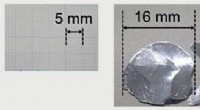
Tooth enamel is composed primarily of a mineral called hydroxyapatite, which is organized into a crystalline structure. The formation of enamel is a complex process that occurs during tooth development and involves the deposition of minerals and proteins by specialized cells called ameloblasts. The arrangement of the minerals and proteins within the enamel creates a strong and durable material that protects the teeth.
Just like snowflakes, the growth of tooth enamel is influenced by factors such as temperature, solution composition, and the presence of specific molecules. The growth patterns and branching observed in snowflakes can be used to better understand the mechanisms underlying enamel formation and can provide insights into how enamel structure and properties are regulated during tooth development. By studying snowflakes, scientists can gain knowledge that may be applicable to the field of dentistry and the development of new strategies to improve tooth enamel strength and health.