1. Pretreatment:
- Use efficient pretreatment methods: Explore advanced pretreatment technologies such as dilute acid, steam explosion, or ionic liquids that effectively break down the complex structures of plant waste and enhance the accessibility of cellulose and hemicellulose for enzymatic hydrolysis.
2. Enzyme Optimization:
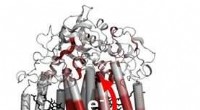
- Engineer enzymes for improved efficiency: Develop or engineer cellulase and hemicellulase enzymes with higher catalytic activity, stability, and tolerance to inhibitors present in plant waste. This can significantly enhance the efficiency of enzymatic hydrolysis.
3. Microbial Strain Improvement:
- Use metabolically engineered microbes: Engineer microorganisms, such as bacteria or yeast, to improve their ability to ferment a wider range of sugars derived from plant waste. This can enhance the production of biofuels and other valuable chemicals.
4. Consolidated Bioprocessing (CBP):
- Develop consolidated bioprocessing systems: Design microbial strains capable of performing both enzymatic hydrolysis and fermentation simultaneously, eliminating the need for separate steps. CBP can simplify the process and reduce costs.
5. Integration with Biorefineries:
- Integrate with existing biorefineries: Explore opportunities to integrate plant waste conversion processes with existing biorefineries, utilizing their infrastructure and expertise in biofuel production. This can enhance resource efficiency and reduce overall costs.
6. Optimization of Process Parameters:
- Optimize process conditions: Fine-tune process parameters such as temperature, pH, substrate concentration, and agitation to maximize the efficiency of enzymatic hydrolysis and fermentation.
7. Co-digestion and Co-processing:
- Co-digest or co-process plant waste: Consider co-digesting plant waste with other organic materials, such as animal manure or food waste, to enhance biogas production through anaerobic digestion. Co-processing can also involve combining plant waste with other biomass sources for biofuel production.
8. Techno-Economic Analysis:
- Conduct techno-economic analysis: Evaluate the economic viability and sustainability of the entire process, considering factors such as feedstock availability, processing costs, biofuel yields, and environmental impacts.
9. Policy and Regulatory Support:
- Advocate for supportive policies: Encourage government policies and regulations that incentivize the use of plant waste for biofuel production, creating a favorable environment for investment and innovation.
10. Continuous Research and Development:
- Stay updated with advancements: Continuously monitor research and development in the field of plant waste conversion to biofuels. Stay informed about emerging technologies, enzyme improvements, and process optimizations to adopt and implement the most effective approaches.
By implementing these strategies, it is possible to make the conversion of plant waste into biofuels more feasible and efficient, promoting sustainable waste management practices and the production of renewable energy.