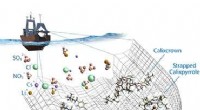
The adsorption of micropollutants to DOM is influenced by the following factors:
* The chemical structure of the DOM. DOM can be composed of a variety of organic compounds, including humic substances, fulvic acids, and lignin. The composition of DOM can vary depending on the source of the organic matter and the environmental conditions.
* The concentration of DOM. The amount of DOM in water can affect the adsorption of micropollutants. In general, the higher the concentration of DOM, the greater the adsorption of micropollutants.
* The pH of the water. The pH of the water can affect the ionization of DOM and micropollutants. The ionization of DOM and micropollutants can affect their ability to adsorb to each other.
* The ionic strength of the water. The ionic strength of the water can affect the electrostatic interactions between DOM and micropollutants. The ionic strength of the water can also affect the solubility of DOM.
The presence of DOM can also affect the desorption of micropollutants from sediments and soils. DOM can compete with micropollutants for adsorption sites on the surface of the sorbents, which can lead to the desorption of micropollutants. The desorption of micropollutants can be increased by the following factors:
* The concentration of DOM. The higher the concentration of DOM, the greater the desorption of micropollutants.
* The pH of the water. The pH of the water can affect the ionization of DOM and micropollutants. The ionization of DOM and micropollutants can affect their ability to desorb from each other.
* The ionic strength of the water. The ionic strength of the water can affect the electrostatic interactions between DOM and micropollutants. The ionic strength of the water can also affect the solubility of DOM.
The presence of DOM can have a significant impact on the fate and transport of micropollutants in the environment. DOM can affect the adsorption and desorption of micropollutants, which can affect their bioavailability and toxicity.