Introduction
DNA damage is a common occurrence caused by various environmental factors and cellular processes. To maintain genomic integrity, cells have evolved intricate DNA repair mechanisms, one of which involves the 911 complex. This complex, composed of the proteins Rad9, Rad1, Rad17, and HUS1, plays a crucial role in sensing and signaling DNA damage. While its importance is well-established, the molecular details of how the 911 complex functions have remained elusive. In a breakthrough study, cryo-electron microscopy (cryo-EM) technology has shed light on the precise mechanism by which the 911 complex facilitates DNA damage repair.
Cryo-EM Technique
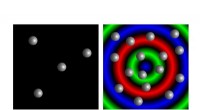
Cryo-EM is a cutting-edge imaging technique that allows scientists to visualize the structure of biological macromolecules at near-atomic resolution. By rapidly cooling samples to extremely low temperatures and using an electron microscope, cryo-EM captures the molecules in their native state without the need for traditional fixation and staining methods. This preservation of the molecules' natural conformation enables researchers to study their structure and dynamics in unprecedented detail.
Structure of the 911 Complex
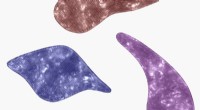
Using cryo-EM, scientists were able to determine the precise structure of the 911 complex. The complex consists of a central core formed by Rad9 and Rad1, with Rad17 and HUS1 forming two distinct subcomplexes that extend from the core. Rad17 serves as a bridge connecting the 911 complex to the DNA damage site, while HUS1 acts as a regulatory component.
Mechanism of DNA Damage Sensing
The cryo-EM structure revealed how the 911 complex senses DNA damage. Rad9 and Rad1 form a ring-shaped structure that wraps around the damaged DNA, creating a platform for the recruitment of other DNA repair factors. Rad17, with its elongated structure, facilitates the initial recognition and binding of the 911 complex to the DNA lesion. HUS1, through its regulatory role, modulates the stability and activity of the complex.
Implications for DNA Repair Pathways
The detailed understanding of the 911 complex structure and its mechanism of action has significant implications for DNA repair pathways. Dysfunction or mutations in the 911 complex have been linked to various human diseases, including cancer and neurodegenerative disorders. By elucidating the molecular mechanisms underlying DNA damage sensing, this study provides new avenues for therapeutic interventions targeting the 911 complex and enhancing the cellular response to DNA damage.
Conclusion
Cryo-EM technology has enabled researchers to uncover the molecular details of how the 911 complex functions in DNA damage repair. The high-resolution structural insights obtained through cryo-EM have revealed the intricate interactions within the complex and its mechanism of sensing DNA damage. This breakthrough enhances our understanding of DNA repair pathways and opens new possibilities for the development of targeted therapies for DNA damage-related diseases.