The bitter taste is one of the five basic tastes that humans can perceive. It is often associated with unpleasant or harmful substances, such as poison, spoiled food, and certain medications. However, some bitter compounds, such as caffeine and chocolate, are also enjoyed by many people.
The perception of bitter taste has been studied for centuries, but the exact mechanism by which we taste bitter compounds has remained a mystery. The researchers at Monell believe that they have finally solved this mystery.
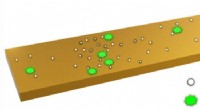
The team found that a specific protein on the tongue, called TAS2R38, binds to bitter compounds. This binding triggers a signal that is sent to the brain, where it is interpreted as a bitter taste.
This discovery is a significant breakthrough in our understanding of how we perceive taste. It could lead to new treatments for conditions such as taste disorders and obesity. Taste disorders can affect people of all ages, and they can make it difficult to enjoy food and drink. Obesity is a growing problem worldwide, and it is often linked to a diet that is high in fat and sugar. By understanding how we perceive bitter taste, researchers hope to develop new ways to help people avoid unhealthy foods and eat a healthier diet.
The study was published in the journal Nature.