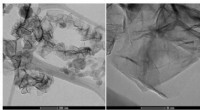
Pore space geometry plays an important role in the transport of substances through fluids. The geometry of the pore space determines the amount of surface area available for contact between the fluid and the solid, which in turn affects the rate of diffusion. In addition, the geometry of the pore space can affect the flow of fluid, which can also impact the transport of substances.
A recent study by researchers at the University of California, Berkeley, has found that the junction between two pores is a key factor in determining how the pore space geometry impacts the transport of substances through fluids. The researchers used a combination of experimental and computational methods to study the flow of water through a model porous medium. They found that the junction between two pores acts as a constriction that limits the flow of fluid. This constriction can cause the fluid to flow faster or slower, depending on the size and shape of the junction.
The findings of this study have important implications for the design of porous materials used in a variety of applications, such as filtration, catalysis, and drug delivery. By understanding how the junction between two pores impacts the transport of substances through fluids, researchers can design materials that optimize the flow of fluid and the transport of substances.
Implications for the design of porous materials
The findings of this study have important implications for the design of porous materials used in a variety of applications, such as filtration, catalysis, and drug delivery. By understanding how the junction between two pores impacts the transport of substances through fluids, researchers can design materials that optimize the flow of fluid and the transport of substances.
For example, in the case of filtration, the geometry of the pore space can be designed to maximize the surface area available for contact between the fluid and the solid. This can increase the rate of diffusion and improve the efficiency of the filtration process. In the case of catalysis, the geometry of the pore space can be designed to create a high concentration of reactants at the active sites of the catalyst. This can increase the rate of reaction and improve the efficiency of the catalytic process. In the case of drug delivery, the geometry of the pore space can be designed to control the release of drugs from the material. This can improve the effectiveness of the drug delivery process.
The findings of this study provide a new understanding of how the geometry of the pore space impacts the transport of substances through fluids. This understanding can be used to design porous materials that optimize the flow of fluid and the transport of substances for a variety of applications.