1. Light Absorption:
- Photosynthesis begins with the absorption of light energy by pigments called chlorophylls and other accessory pigments present in the chloroplasts of plant cells.
- These pigments are composed of large conjugated molecules that can undergo specific vibrational modes when they absorb light energy.
- The absorbed light energy causes the electrons within these pigments to transition to higher energy levels, initiating the process of photosynthesis.
2. Energy Transfer:
- After the initial absorption of light energy, the pigments can transfer the excitation energy to nearby molecules through a process called resonance energy transfer (RET).
- During RET, energy is transferred via non-radiative dipole-dipole interactions between the pigments.
- Efficient energy transfer relies on the specific vibrational frequencies of the pigments being in resonance with each other, allowing for rapid and efficient energy transfer within the photosynthetic apparatus.
3. Exciton Migration:
- In addition to RET, another mechanism for energy transfer in photosynthesis is called exciton migration.
- Excitons are quasiparticles that represent the excited states of electrons within the pigment molecules.
- Vibrational modes within the pigment molecules facilitate the movement of excitons through a process called Davydov splitting. This splitting of exciton energy levels allows for efficient exciton migration and energy distribution within the photosynthetic system.
4. Reaction Center Function:
- The reaction center is the site where the actual conversion of light energy into chemical energy occurs during photosynthesis.
- Within the reaction center, specific proteins and pigments work together to create an environment that allows for efficient electron transfer and proton pumping.
- Molecular vibrations play a role in facilitating these processes by enabling the precise positioning and orientations of the molecules involved in the electron transfer chain.
5. Enzyme Catalysis:
- Many enzymes involved in photosynthesis rely on specific molecular vibrations to facilitate their catalytic functions.
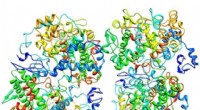
- For example, the enzyme ribulose-1,5-bisphosphate carboxylase/oxygenase (Rubisco), which is responsible for carbon dioxide fixation, undergoes specific conformational changes driven by molecular vibrations that enhance its catalytic activity.
6. Heat Dissipation:
- Excess light energy absorbed by the photosynthetic apparatus that cannot be immediately used for photosynthesis needs to be safely dissipated to prevent damage to the system.
- Molecular vibrations play a role in this process by promoting non-photochemical quenching (NPQ), a mechanism that dissipates excess energy as heat, protecting the photosynthetic machinery from photodamage.
In summary, molecular vibrations are crucial for the efficiency of photosynthesis by enabling efficient light absorption, energy transfer, exciton migration, reaction center function, enzyme catalysis, and heat dissipation. The precise coordination and interplay of these molecular vibrations contribute to the overall efficiency of the photosynthetic process.