1. Natural Emissions: Tropical soils naturally emit greenhouse gases, primarily carbon dioxide (CO2), methane (CH4), and nitrous oxide (N2O), as a result of microbial activity and organic matter decomposition. Under undisturbed conditions, such emissions contribute to the natural carbon cycle and are balanced by the absorption of CO2 through plant growth.
2. Land Use Change: Conversion of natural tropical forests and other ecosystems into agricultural land, pastures, or urban areas disrupts the natural carbon balance. Clearing vegetation removes the carbon sink and exposes soil organic matter to decomposition, releasing CO2 into the atmosphere. Additionally, agricultural activities, such as the application of synthetic fertilizers, can increase N2O emissions from soils.
3. Deforestation: Tropical deforestation is a major contributor to global greenhouse gas emissions. It is estimated that deforestation accounts for approximately 10-15% of global CO2 emissions. When trees are cleared, the soil beneath is exposed to higher temperatures and increased microbial activity, leading to the decomposition of organic matter and subsequent CO2 release.
4. Agriculture Practices: Agricultural practices can significantly impact greenhouse gas emissions from tropical soils. For instance, excessive tillage can accelerate the decomposition of soil organic matter, releasing CO2. Poor irrigation management can also contribute to increased CH4 emissions from waterlogged soils. On the other hand, sustainable agricultural practices, such as agroforestry, cover cropping, and reduced fertilizer use, can help minimize greenhouse gas emissions and maintain soil carbon stocks.
5. Wetland Soils: Tropical wetland ecosystems, including mangroves, peatlands, and floodplains, are significant sources of greenhouse gases, particularly CH4 and N2O. Anaerobic conditions in these environments favor the production and release of these gases.
Reducing greenhouse gas emissions from tropical soils requires a combination of sustainable land management practices, forest conservation, and efforts to minimize deforestation. Implementing climate-smart agriculture techniques, restoring degraded soils, and protecting natural ecosystems can help mitigate greenhouse gas emissions and maintain the carbon storage capacity of tropical soils.

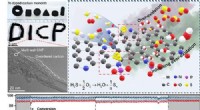



![Dual Isomers of [IrC₄H₂]⁺ Reveal Separate Catalytic Paths: One Activates Methane, the Other Converts Water to CO](https://www.scienceaq.com/article/uploadfiles/202210/2022100914113319_S.jpg)