1. Combinatorial Chemistry: This approach involves systematically combining different building blocks to create a vast library of compounds. High-throughput screening techniques are then used to identify compounds with desired properties.
2. Natural Product Discovery: Nature is a rich source of bioactive compounds. By studying plants, microorganisms, and marine organisms, researchers can identify and isolate naturally occurring compounds with potential pharmaceutical or industrial applications.
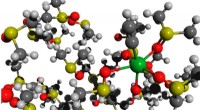
3. Computational Chemistry and Molecular Modeling: Computational tools can predict the properties and behavior of molecules, enabling researchers to virtually screen large chemical libraries and identify promising candidates for further investigation.
4. Serendipity and Chance Discoveries: Many important discoveries have been made through serendipity or unexpected observations. Researchers must be open to unexpected outcomes and willing to explore new avenues of inquiry.
5. Artificial Intelligence (AI) and Machine Learning: AI algorithms can analyze vast databases of chemical compounds and identify patterns and relationships that may lead to the discovery of new compounds with desired properties.
6. High-Throughput Screening: Advanced screening techniques, such as robotic systems and microfluidic devices, enable researchers to rapidly evaluate a large number of compounds for specific activities.
7. Chemical Libraries and Databases: Building comprehensive chemical libraries and databases is crucial for organizing and sharing information about known compounds and facilitating the discovery of new ones.
8. Collaborative Research: Collaborative efforts between academia, industry, and government can pool resources and expertise, increasing the chances of discovering new compounds.
By employing these approaches and continuously expanding our knowledge of chemical space, we have the potential to uncover compounds that could revolutionize medicine, materials science, energy storage, catalysis, and other fields, leading to advancements that improve human lives and shape the world of tomorrow.