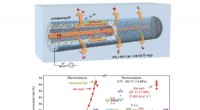
The scientists used a variety of techniques, including X-ray diffraction, transmission electron microscopy, and X-ray photoelectron spectroscopy, to characterize the structure and composition of the SACs. They also employed various spectroscopic methods, such as electron paramagnetic resonance and fluorescence spectroscopy, to study the generation and reactivity of OH radicals in the presence of the SACs.
Their results showed that the SACs exhibited excellent catalytic activity and stability in the AOPs. The SACs were able to efficiently activate peroxymonosulfate (PMS), a common oxidizing agent used in AOPs, to produce OH radicals. The OH radicals generated by the SACs were highly reactive and capable of degrading a wide range of organic pollutants, including antibiotics, pesticides, and dyes.
The scientists also found that the catalytic activity of the SACs was influenced by their structure and composition. For example, SACs with higher metal loadings and more exposed active sites showed higher catalytic activity. Additionally, the type of metal used in the SACs played a crucial role in determining their activity and selectivity.
Overall, the study demonstrated the potential of SACs for enhancing the efficiency and effectiveness of AOPs in water purification. The insights gained from this research can guide the design and development of more efficient and sustainable catalysts for AOPs, contributing to the advancement of water treatment technologies.