Atherosclerosis, a condition in which plaque builds up inside arteries, is a leading cause of death worldwide. It is caused by a build-up of cholesterol and other fatty substances inside the arteries and is driven by an imbalance between cholesterol uptake and efflux.
The body's natural removal process of cholesterol is called reverse cholesterol transport (RCT). RCT involves the transport of cholesterol from peripheral tissues to the liver, where it is ultimately excreted from the body.
In the new study, researchers at the University of California San Diego School of Medicine and Sanford Burnham Prebys Medical Discovery Institute found that betulinic acid promotes the removal of excess cholesterol by activating the protein ABCG1, which is a key player in the RCT process.
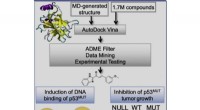
The team of scientists screened over 100,000 small molecule compounds to find those that could alter cholesterol levels in human macrophages, a type of white blood cell that plays a key role in the immune system and in cholesterol metabolism.
They found that betulinic acid increased cholesterol efflux in human macrophages by two-fold. Further experiments revealed that betulinic acid promotes the removal of excess cholesterol by activating the protein ABCG1, which is encoded by the ABCA1 gene.
"Our study reveals a novel mechanism by which betulinic acid promotes cholesterol efflux from macrophages," said lead author Dr. Sheng Zha, an assistant professor in the Department of Molecular Medicine at University of California San Diego School of Medicine.
"We are excited about the potential therapeutic implications of our findings, as betulinic acid could potentially be used to treat conditions like atherosclerosis by promoting the removal of excess cholesterol and reducing the risk of heart disease."
Betulinic acid, which is found in the bark of the white birch tree, has been investigated in preclinical studies for its anti-inflammatory, anti-cancer, and antiviral properties.
The researchers say their findings provide a basis for further investigation into the potential therapeutic applications of betulinic acid for the treatment of atherosclerosis and other cholesterol-related disorders.
The study is published in the journal Nature Communications.