Diatoms are a type of phytoplankton that are essential to the ocean's food chain. They produce about 20% of the oxygen in the atmosphere and are a major food source for fish and other marine life. However, ocean acidification, caused by the absorption of carbon dioxide from the atmosphere, is threatening diatoms and other marine organisms.
Acidification makes it more difficult for diatoms to build their silica shells, which are essential for their survival. As a result, diatoms are becoming smaller and less abundant in some parts of the ocean.
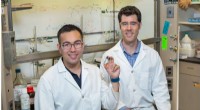
To better understand how diatoms will respond to ocean acidification, researchers at the University of California, Santa Barbara have developed a new stress test. The test exposes diatoms to different levels of acidity and measures how well they are able to grow and reproduce.
The researchers found that some diatoms are more tolerant of acidity than others. For example, the species Thalassiosira pseudonana was able to grow and reproduce even at very high levels of acidity. However, the species Skeletonema costatum was much more sensitive to acidity and could not survive at high levels.
The researchers say that the stress test can be used to predict how diatoms will react to ocean acidification in different parts of the ocean. This information can help scientists and policymakers develop strategies to protect diatoms and other marine organisms from the effects of ocean acidification.
"Diatoms are a critical part of the ocean's ecosystem, and they are under threat from ocean acidification," said lead researcher Dr. Christopher Cornwall. "Our stress test can help us understand how diatoms will respond to ocean acidification and develop strategies to protect them."
The study was published in the journal Nature Climate Change.