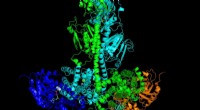
One important area of research involves understanding how mutations in proteins can lead to chemotherapy resistance. Proteins are essential for the proper functioning of cells, and mutations can alter their structure and function. Computer simulations can help identify these mutations and predict their effects on protein function, providing valuable information for drug design and development.
For example, computer simulations have been used to study mutations in the epidermal growth factor receptor (EGFR) protein, which is a common target for cancer drugs. These simulations have shown how mutations can alter the shape of the protein and prevent drugs from binding to it, leading to resistance. This knowledge has helped researchers develop new drugs that are more effective against these mutations.
Another area of research involves understanding how proteins interact with each other and how these interactions can affect chemotherapy resistance. Computer simulations can help identify key interactions between proteins and predict how they may be affected by drugs. This information can help researchers design drugs that target these interactions and restore sensitivity to chemotherapy.
Computer simulations also play a role in studying the role of the tumor microenvironment in chemotherapy resistance. The tumor microenvironment is the complex network of cells, molecules, and extracellular matrix that surrounds a tumor. It can influence drug delivery, drug metabolism, and the response of tumor cells to chemotherapy. Computer simulations can help researchers understand how the tumor microenvironment contributes to resistance and identify potential strategies to modify it to enhance the effectiveness of chemotherapy.
In summary, computer simulations of proteins are providing valuable insights into the mechanisms underlying chemotherapy resistance. By studying the effects of mutations, protein interactions, and the tumor microenvironment, computer simulations are helping researchers develop more effective strategies to overcome resistance and improve cancer treatment outcomes.