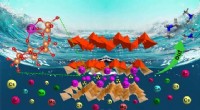
Tear gas works by binding to the TRPA1 receptor, which is a protein that is found in the trigeminal nerve. This nerve is responsible for sending signals from the face to the brain. When tear gas binds to the TRPA1 receptor, it causes the nerve to send a signal to the brain that the eyes, nose, and throat are being irritated. This can cause a variety of symptoms, including:
* Tearing
* Burning eyes
* Difficulty breathing
* Coughing
* Sneezing
* Nausea
* Vomiting
* Headache
* Dizziness
Tear gas can also cause more serious health problems, such as:
* Corneal damage
* Respiratory problems
* Skin burns
* Death
Tear gas is a dangerous chemical that should only be used by trained professionals. If you are ever exposed to tear gas, it is important to seek medical attention immediately.
How to protect yourself from tear gas:
* If possible, avoid areas where tear gas is being used.
* If you are caught in an area where tear gas is being used, try to stay upwind of the gas.
* Cover your eyes, nose, and mouth with a cloth or wet towel.
* Hold your breath as long as you can.
* If you start to feel the effects of tear gas, move to a fresh air location as quickly as possible.
* Seek medical attention if you experience any serious symptoms.