The body is washed and dressed in a simple gown. Any medical devices or implants are removed. The body is then placed in a cremation container, which is typically made of wood, cardboard, or metal.
2. The cremation process begins.
The cremation container is placed in a cremation chamber, which is a large, refractory-lined oven. The chamber is heated to a temperature of between 1,400 and 1,800 degrees Fahrenheit. The intense heat causes the body to decompose and vaporize.
3. The remains are cooled and processed.
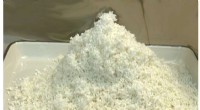
After the cremation process is complete, the remains are cooled and processed into a fine powder. This powder is called cremains.
4. The cremains are returned to the family.
The cremains are typically placed in an urn and returned to the family. The family can choose to bury the cremains, scatter them, or keep them in a special place at home.
Here is a more detailed look at each step of the cremation process:
1. Preparing the body
The body is first washed and dressed in a simple gown. Any medical devices or implants are removed. This is done to ensure that the body is completely combustible and that there are no materials present that could create hazardous fumes during the cremation process.
2. Placing the body in the cremation container
The body is then placed in a cremation container. This container is typically made of wood, cardboard, or metal. The type of container used will depend on the preferences of the family and the policies of the crematory.
3. Starting the cremation process
The cremation container is placed in a cremation chamber, which is a large, refractory-lined oven. The chamber is heated to a temperature of between 1,400 and 1,800 degrees Fahrenheit. The intense heat causes the body to decompose and vaporize.
4. Cooling and processing the remains
After the cremation process is complete, the remains are cooled and processed into a fine powder. This powder is called cremains. The cremains are typically placed in an urn and returned to the family.
5. Returning the cremains to the family
The family can choose to bury the cremains, scatter them, or keep them in a special place at home. There are many different ways to memorialize a loved one who has been cremated. The family can choose the option that is most meaningful to them.