1. Uranium and Thorium-Rich Geology:
- Some regions have geological formations rich in uranium and thorium, which are naturally radioactive elements. When rocks containing these elements are exposed, the surrounding area can exhibit elevated radiation levels.
2. Radon Gas:
- Radon is a radioactive gas that seeps from the ground into the air. It's commonly found in areas with uranium-rich soils or bedrock, leading to higher radioactivity levels in the environment.
3. Mining and Industrial Activities:
- Mining operations for uranium or other radioactive materials can leave behind radioactive waste, affecting the surrounding environment. Similarly, certain industrial processes, like coal burning or phosphate processing, can release NORM into the air or water.
4. Hot Springs and Geothermal Areas:
- Geothermal regions often have high levels of dissolved radioactive elements in their waters. When these waters rise to the surface through hot springs or geysers, they release radioactive gases and particles into the air and surrounding environment.
5. Coastal Areas:
- Certain coastal areas can have higher natural radiation levels due to the presence of monazite sand. This mineral contains thorium, and its concentration can increase in beach sands or near river deltas.
6. Volcanic Activity:
- Volcanic eruptions can release radioactive elements like uranium and thorium into the atmosphere. These elements can be deposited over a wide area, leading to elevated radiation levels.
7. NORM-Enhanced Building Materials:
- Some building materials used in the past, such as granite countertops or ceramic tiles, may contain NORM. This can contribute to higher radiation levels within indoor environments.
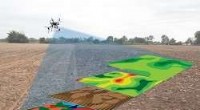
It's important to note that naturally high radioactivity does not necessarily pose a significant health risk. The levels of radiation must exceed regulatory limits to be considered hazardous. However, identifying and monitoring areas with elevated radioactivity helps ensure the health and safety of individuals living in those regions.