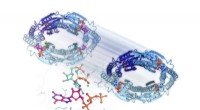
Enzymatic Degradation: Some biodegradation additives consist of enzymes that can directly break down specific components of the material. For example, cellulase enzymes break down cellulose, a major component of paper and plant materials. These enzymes hydrolyze the glycosidic bonds in the cellulose, converting it into smaller molecules that can be more easily utilized by microorganisms.
Nutrient Supplementation: Certain biodegradation additives contain essential nutrients required by microorganisms responsible for the degradation process. When added to an environment, these additives provide the necessary nutrients, such as nitrogen, phosphorus, and trace elements, that help enhance microbial growth and activity. The increased microbial population accelerates the biodegradation process.
Co-metabolic Biodegradation: In some cases, biodegradation additives stimulate microbial activity by providing an additional carbon source for microorganisms. They act as co-metabolites, which allows the microbes to degrade the target material while simultaneously using the additive as an energy source. This indirect form of biodegradation can be effective for complex materials that are challenging to break down.
Surface Modification: Certain biodegradation additives can modify the surface properties of the material, making it more susceptible to microbial colonization and degradation. For instance, surfactants and wetting agents reduce the surface tension of the material, allowing microorganisms to adhere more effectively. This modification improves the bioavailability of the material to microorganisms, leading to enhanced biodegradation.
Solubilization: Some biodegradation additives can solubilize or disperse the material, increasing its surface area and exposing it to a broader range of microorganisms. This dispersion creates a larger interface between the material and the microbial community, making it easier for enzymes and microorganisms to access and degrade the material.
Acceleration of the Biodegradation Process: The combined effect of these mechanisms speeds up the degradation process by encouraging microbial growth, enzymatic activity, and improved material accessibility. As a result, the materials containing biodegradation additives break down more rapidly into simpler compounds and eventually mineralize to non-hazardous substances. This significantly reduces the environmental persistence of the materials and aids in the recovery of ecosystems.