1. Formation of Ozone:
Ozone (O3) is a molecule composed of three oxygen atoms. In the Earth's atmosphere, ozone occurs naturally in the stratosphere, where it forms a protective layer that shields us from harmful ultraviolet (UV) radiation from the sun. However, ground-level ozone is considered a pollutant.
2. Ozone Precursors:
The primary precursors of ozone formation are nitrogen oxides (NOx) and volatile organic compounds (VOCs). Nitrogen oxides are released from various sources, including motor vehicles, power plants, and industrial activities. VOCs are emitted from sources such as gasoline vapors, industrial solvents, and paints.
3. Sunlight and Photochemical Reactions:
During sunny days, when sunlight interacts with NOx and VOCs in the presence of heat, a series of photochemical reactions occur. These reactions involve the breakdown and recombination of these pollutants, leading to the formation of ozone.
4. Inversion Layer:
An inversion layer plays a crucial role in the formation of ozone pollution. An inversion layer is a layer of warm air that sits on top of cooler air near the ground. This layer acts like a lid, preventing air pollutants from dispersing vertically, causing them to become trapped near the ground.
5. Ozone Concentration Buildup:
As ozone continues to form and gets trapped within the inversion layer, its concentration builds up. This accumulation of ozone at ground level leads to ozone pollution. High levels of ozone pollution typically occur during warm, sunny days with stagnant air conditions.
6. Health and Environmental Impacts:
Ozone pollution can have several adverse impacts on human health and the environment:
- Respiratory Problems: Ozone irritates the respiratory system, causing shortness of breath, coughing, wheezing, and increased susceptibility to respiratory infections.
- Heart Disease: Ozone exposure has been linked to an increased risk of heart attacks and cardiovascular diseases.
- Damage to Vegetation: Ozone pollution can damage plant tissues, affecting agricultural yields and ecosystems.
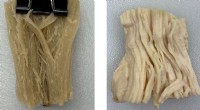
- Material Damage: Ozone can contribute to the deterioration of materials like rubber and textile.
7. Regulation and Mitigation:
To address ozone pollution, various regulations and measures have been implemented to reduce NOx and VOC emissions. These include stricter emission standards for vehicles, promoting the use of renewable energy sources, and encouraging the adoption of greener technologies and practices.
Addressing ozone pollution requires collective efforts from individuals, industries, and governments to control the emission of ozone precursors and promote cleaner air quality. This helps protect human health, ecosystems, and the environment from the harmful effects of ozone pollution.