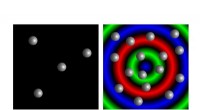
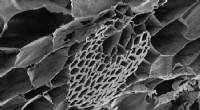
Adsorption is the process by which molecules or ions from a liquid or gas adhere to the surface of a solid. Activated charcoal has a high capacity for adsorption because of its large surface area and the presence of functional groups on its surface. These functional groups can interact with molecules or ions through various mechanisms such as Van der Waals forces, hydrogen bonding, or electrostatic interactions.
Due to its high adsorption capacity, activated charcoal is used in a wide range of applications, including:
- Water purification: Activated charcoal is used to remove impurities, organic compounds, and bad taste and odors from water. It is commonly used in water filters, both for household and industrial purposes.
- Air purification: Activated charcoal is used to remove pollutants, chemicals, and odors from the air. It is used in air purifiers, gas masks, and ventilation systems.
- Chemical processing: Activated charcoal is used to remove impurities and unwanted substances from chemicals and pharmaceuticals. It is also used in the recovery of precious metals from industrial processes.
- Medical applications: Activated charcoal is used to treat certain types of poisoning, as it can adsorb and neutralize toxins and drugs in the digestive tract.
- Food and beverage industry: Activated charcoal is used to remove impurities, colorants, and unwanted flavors from food and beverages.
Overall, activated charcoal is a versatile material with various applications due to its high adsorption capacity and ability to remove impurities and pollutants from liquids and gases.