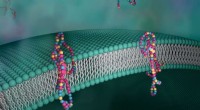
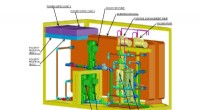
Reverse osmosis uses a semipermeable membrane to separate salt from water. Water molecules are able to pass through the membrane, but salt molecules are too large to fit through. The water molecules are then collected on the other side of the membrane, leaving behind the salt.
Reverse osmosis is a very effective method of desalination, and it can produce water that is almost completely free of salt. However, it is also a relatively expensive process, and it requires a lot of energy.
Other methods of desalination include:
* Electrodialysis: This method uses electricity to separate salt from water. It is less expensive than reverse osmosis, but it is also less effective.
* Distillation: This method boils water and then collects the steam. The steam is then condensed back into water, leaving behind the salt. Distillation is a very effective method of desalination, but it is also very expensive.
* Freeze desalination: This method freezes water and then separates the salt from the ice. Freeze desalination is a relatively new technology, and it is still under development.
Desalination is a vital technology for many parts of the world. It can provide a reliable source of fresh water for drinking, irrigation, and industrial use.