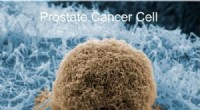
Cancer is a disease that occurs when cells in the body begin to grow out of control. These cells can form tumors, which can invade and damage other tissues and organs.
Cancer can start in any type of cell in the body, but it most commonly begins in cells of the:
* Breast
* Prostate
* Lungs
* Colon
* Rectum
* Skin
* Stomach
* Pancreas
* Ovaries
* Uterus
The exact cause of cancer is not fully understood, but there are a number of risk factors that can increase the likelihood of developing the disease. These risk factors include:
* Age: Cancer is more common in older adults.
* Family history of cancer: People with a family history of cancer are more likely to develop the disease themselves.
* Certain lifestyle choices: Smoking, excessive alcohol consumption, and unhealthy diet can all increase the risk of cancer.
* Exposure to certain chemicals or substances: Exposure to certain chemicals, such as asbestos, benzene, and formaldehyde, can increase the risk of cancer.
* Radiation: Exposure to radiation, such as from X-rays or radon gas, can increase the risk of cancer.
Cancer can spread in a number of ways. One way is through the lymphatic system. The lymphatic system is a network of vessels and nodes that helps to drain fluid from tissues and organs. Cancer cells can enter the lymphatic system and travel to other parts of the body.
Another way that cancer can spread is through the bloodstream. Cancer cells can enter the bloodstream and travel to other parts of the body. This is called metastasis. Metastasis is the most common way that cancer spreads.
There are a number of different ways to treat cancer, depending on the type of cancer and its stage. Some common cancer treatments include:
* Surgery: Surgery is the most common treatment for cancer. Surgery is used to remove tumors and any surrounding tissue that may be affected by the cancer.
* Radiation therapy: Radiation therapy uses high-energy X-rays or other types of radiation to kill cancer cells.
* Chemotherapy: Chemotherapy is a type of drug therapy that uses drugs to kill cancer cells.
* Targeted therapy: Targeted therapy is a type of drug therapy that targets specific molecules or proteins that are involved in the growth and survival of cancer cells.
* Immunotherapy: Immunotherapy is a type of treatment that helps the body's own immune system to recognize and attack cancer cells.
The prognosis for cancer depends on a number of factors, including the type of cancer, the stage of the cancer, and the person's overall health. Some cancers are more curable than others. The earlier cancer is diagnosed and treated, the better the prognosis.
There is no sure way to prevent cancer, but there are a number of things you can do to reduce your risk of developing the disease. These include:
* Eating a healthy diet: Eating a diet rich in fruits, vegetables, and whole grains can help to reduce your risk of developing cancer.
* Getting regular exercise: Regular exercise can help to reduce your risk of developing cancer.
* Maintaining a healthy weight: Obesity is a risk factor for a number of types of cancer.
* Quitting smoking: Smoking is the leading cause of preventable cancer deaths.
* Limiting alcohol consumption: Excessive alcohol consumption can increase your risk of developing cancer.
* Avoiding exposure to certain chemicals or substances: Exposure to certain chemicals, such as asbestos, benzene, and formaldehyde, can increase your risk of cancer.
* Getting vaccinated: There are vaccines available to prevent some types of cancer, such as human papillomavirus (HPV) and hepatitis B.
* Getting regular screenings: Regular screenings can help to detect cancer early, when it is most curable.
Cancer is a serious disease, but it is important to remember that many types of cancer are curable if they are diagnosed and treated early. By making healthy lifestyle choices and getting regular screenings, you can help to reduce your risk of developing cancer.