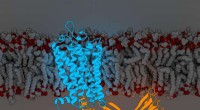
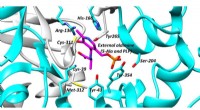
The research team, led by scientists at the University of California, San Francisco, found that sour taste is detected by a protein called GPR65. This protein is located on the surface of taste cells in the tongue, and it binds to hydrogen ions (H+) when they are present in saliva.
When GPR65 binds to H+, it sends a signal to the brain, which interprets the signal as a sour taste. This process is essential for our ability to taste foods such as lemons, oranges, and vinegar.
The discovery of GPR65 could lead to new treatments for conditions such as heartburn and acid reflux, which are caused by excessive stomach acid. By blocking the activity of GPR65, it may be possible to reduce the amount of acid that is produced by the stomach and relieve these symptoms.
The research team is currently working on developing drugs that block GPR65 activity. These drugs could potentially provide a new way to treat heartburn and acid reflux, as well as other conditions such as chronic pain and inflammation.
The study was published in the journal Nature.