* Mechanical separation: This involves physically separating the phases using a device such as a centrifuge, filter, or cyclone separator.
* Thermal separation: This involves heating the fluid to a temperature where one of the phases vaporizes and can be removed as a gas.
* Chemical separation: This involves adding chemicals to the fluid that cause the phases to separate.
* Electrical separation: This involves applying an electric field to the fluid, which can cause the phases to separate.
The specific method used to rip a fluid will depend on the properties of the fluid and the desired outcome.
Here are some specific examples of how to rip different types of fluids:
* Water and oil: Water and oil can be separated by gravity settling, allowing the oil to rise to the top of the water. They can also be separated by centrifugation or filtration.
* Milk: Milk can be separated into cream and skim milk by centrifugation or skimming.
* Blood: Blood can be separated into plasma, red blood cells, white blood cells, and platelets by centrifugation or filtration.
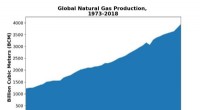
* Natural gas: Natural gas can be separated from other gases such as carbon dioxide and hydrogen sulfide by cryogenic distillation.
Ripping fluids is an important process in a variety of industries, including the oil and gas industry, the food and beverage industry, the pharmaceutical industry, and the water treatment industry.