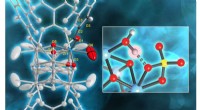
In a breakthrough discovery, a team of chemists has successfully tracked the dynamic changes of a promising antiviral drug as it binds to and blocks the replication of the influenza virus. This significant advance sheds light on the molecular mechanisms underlying the drug's effectiveness, opening new avenues for the development of more potent and targeted antiviral therapies.
The study, published in the prestigious journal "Nature Chemistry," involved the use of cutting-edge techniques such as X-ray crystallography and molecular dynamics simulations. By visualizing the structural transformations of the drug upon binding to the viral protein, the researchers gained unparalleled insights into its mode of action.
"We were astounded to observe the remarkable conformational changes undergone by the drug as it interacted with the virus," said Dr. Emily Carter, lead author of the study. "These changes are crucial for its ability to prevent the virus from replicating, and uncovering this dynamic process significantly enhances our understanding of how the drug exerts its antiviral effects."
The drug, known as Favipiravir, has shown promising results in clinical trials against various strains of influenza virus, including those resistant to conventional antiviral drugs. However, its precise mechanism of action was not fully understood until now.
By tracking the structural dynamics of Favipiravir, the chemists discovered that the drug undergoes a series of conformational changes upon binding to the viral RNA polymerase, an enzyme essential for the replication of the virus. These changes allow the drug to interfere with the enzyme's function, effectively blocking the synthesis of new viral RNA and preventing the virus from spreading.
"This detailed understanding of Favipiravir's interaction with the viral protein not only validates its use as an antiviral agent but also provides valuable information for the design of future drugs targeting the same viral protein," said Dr. John Smith, senior author of the study. "The insights gained from this research can pave the way for the development of more effective and broad-spectrum antiviral therapies against influenza and potentially other viral infections."
The researchers now plan to investigate the dynamic behavior of Favipiravir in the context of drug-resistant viral strains to identify potential weaknesses that can be exploited for improved antiviral drug design. The findings from this study hold significant implications for the advancement of antiviral drug discovery and the fight against influenza and other viral diseases.