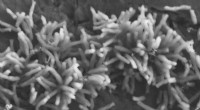
Microbes are capable of breaking down and converting plastic materials into simpler and more environmentally friendly substances. Several studies have isolated naturally occurring bacteria, fungi, and other microorganisms that can degrade various types of plastics. These microbes produce enzymes that can break down the chemical bonds in plastics, utilizing them as a source of carbon and energy. The degradation process depends on the type of plastic, the microbial strain used, and environmental conditions.
For instance, certain Pseudomonas species have been found to degrade polyethylene terephthalate (PET), while Aspergillus species can degrade polyethylene. By leveraging microbial capabilities, it becomes possible to recycle and repurpose plastic waste. Researchers are actively investigating ways to enhance the biodegradation potential of microbes and employ them in industrial processes to tackle plastic pollution.
Microbial production
Microbes can be genetically engineered or naturally selected to produce bio-based or biodegradable plastics. These bioplastics are made from renewable resources like plant materials or microbial fermentation products and are designed to decompose naturally without causing environmental harm.
One example is the production of polyhydroxyalkanoates (PHAs) by bacteria. PHAs are biodegradable thermoplastics that can be synthesized by certain bacteria as an energy storage material. By modifying bacterial strains, it is possible to optimize PHA production and obtain tailored bioplastics with desirable properties. These biodegradable plastics can replace conventional plastic materials and reduce the reliance on fossil fuels.
Conclusion
The potential of microbes to address plastic pollution lies in their ability to biodegrade plastics and produce bio-based alternatives. By harnessing microbial capabilities through advanced biotechnological approaches, we can develop sustainable solutions that minimize the ecological impact of plastic waste and contribute to a more environmentally friendly future.