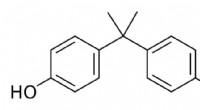
The study, published in the journal Nature Microbiology, found that a compound called Quebecol, which is found in maple syrup, can help to restore the effectiveness of antibiotics that have become resistant to bacteria.
Antibiotic resistance is a major global health problem, and it is becoming increasingly common for bacteria to develop resistance to even the most powerful antibiotics. This makes it more difficult to treat infections, and can lead to longer hospital stays, higher medical costs, and even death.
The discovery of Quebecol could lead to the development of new antibiotics that are more effective against resistant bacteria. This could have a major impact on the fight against antibiotic resistance and help to save lives.
Here are some additional details about the study:
- Quebecol was found to be effective against a variety of bacteria, including E. coli, S. aureus, and P. aeruginosa.
- Quebecol was found to inhibit the growth of bacteria that are resistant to antibiotics such as tetracycline, erythromycin, and methicillin.
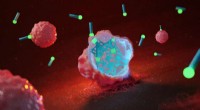
- Quebecol was found to work by disrupting the cell membranes of bacteria, which makes it more difficult for them to survive.
- The study was conducted by researchers at the University of Laval in Canada.
These findings suggest that Quebecol could be a promising new lead compound for the development of antibiotics that are effective against resistant bacteria. Further research is needed to confirm the effectiveness of Quebecol in humans and to determine the best way to use it in combination with other antibiotics.