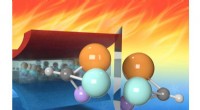
Psilocin works by binding to the serotonin 2A (5-HT2A) receptor, which is a type of G protein-coupled receptor (GPCR). GPCRs are a large family of receptors that are found on the surface of cells. When a ligand (such as psilocin) binds to a GPCR, it causes a conformational change in the receptor, which in turn activates a G protein. G proteins are intracellular proteins that can then activate a variety of downstream signaling pathways.
In the case of psilocin, the activation of the 5-HT2A receptor leads to an increase in the release of serotonin in the brain. This increased serotonin release is thought to be responsible for the hallucinogenic effects of psilocin.
In addition to serotonin, psilocin also binds to other receptors in the brain, including the dopamine 2 (D2) receptor and the muscarinic acetylcholine receptor (mAChR). These interactions may also contribute to the hallucinogenic effects of psilocin.
Psilocybin, the prodrug to psilocin, is inactive until it is converted to psilocin by the enzyme alkaline phosphatase. Alkaline phosphatase is found in the liver and in the brain. The conversion of psilocybin to psilocin is thought to occur in the brain, and this may explain why psilocybin is more hallucinogenic than psilocin.
The effects of psilocybin vary depending on the dose, the individual, and the setting in which it is taken. Low doses of psilocybin can produce mild changes in perception, such as seeing objects with brighter colors or having a sense of euphoria. Higher doses can produce more intense hallucinations, including seeing patterns or objects that are not there, having religious or spiritual experiences, and feeling a sense of connection with the universe.
Psilocybin can also have therapeutic effects, and it is being studied as a potential treatment for a variety of mental health conditions, including depression, anxiety, and addiction. Psilocybin therapy is a form of psychedelic-assisted psychotherapy that involves taking psilocybin under the supervision of a trained therapist. Psilocybin therapy has been shown to be effective in reducing symptoms of depression and anxiety, and it may also help to improve mood and well-being.
Psilocybin is a powerful substance with the potential for both therapeutic and recreational use. It is important to use psilocybin responsibly, and to take precautions to minimize the risks of adverse effects.