Soil Management Practices:
1. Leaching and Drainage: Remove excess salts from the soil profile by applying sufficient water. Proper drainage systems help prevent waterlogging and further salt accumulation.
2. Chemical Amendments: Apply soil amendments like gypsum, elemental sulfur, or organic matter to improve soil structure, reduce alkalinity, and enhance nutrient availability.
3. Crop Rotation: Rotate salt-tolerant crops (halophytes) with salt-sensitive crops to maintain soil fertility and break pest/disease cycles.
4. Mulching: Cover the soil surface with organic mulch to reduce evaporation, suppress weed growth, and enhance soil moisture retention.
5. Integrated Nutrient Management: Apply fertilizers and nutrients based on soil testing and crop requirements to optimize plant growth while minimizing nutrient imbalances.
6. Irrigation Management: Use efficient irrigation methods, such as drip or sprinkler irrigation, to minimize waterlogging and salt buildup in the soil.
Advanced Technologies:
1. Remote Sensing and Precision Agriculture: Utilize satellite imagery and sensors to identify and monitor soil salinity levels, enabling targeted management and resource allocation.
2. Biotechnology and Crop Improvement: Develop salt-tolerant crop varieties through genetic engineering or traditional breeding methods.
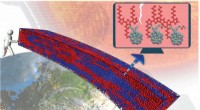
3. Nanotechnology: Explore the potential of nanomaterials to improve soil structure, nutrient retention, and plant growth in saline conditions.
4. Desalination Technologies: Desalinate saline water for irrigation purposes using reverse osmosis or other desalting methods.
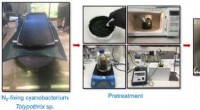
5. Microbe-Assisted Remediation: Use beneficial microbes to assist in soil reclamation, nutrient cycling, and salt stress alleviation.
Policy and Institutional Support:
1. Land Use Policies: Implement policies that encourage the allocation of less-affected lands for agriculture and designate areas with high salinity for non-agricultural purposes.
2. Extension and Capacity Building: Provide training and education to farmers and agricultural extension workers on best practices for saline-alkali soil management.
3. Financial Incentives: Offer financial assistance, subsidies, or low-interest loans to farmers for implementing soil improvement measures.
4. Research and Knowledge Sharing: Invest in research to develop innovative soil management techniques and make research findings accessible to farmers.
5. Collaboration: Encourage partnerships among researchers, policymakers, farmers' organizations, and the private sector for integrated and sustainable management of saline-alkali soils.
By combining these strategies and adapting them to specific local conditions, we can enhance the productivity of saline-alkali soils and ensure food security in regions affected by salinity issues.