Understanding the impact of SACs on water purification in AOPs requires investigating several key factors:
Metal Selection: The choice of metal for the SAC is crucial as it determines the catalyst's activity and selectivity. Metals like iron (Fe), copper (Cu), cobalt (Co), and manganese (Mn) have shown high efficiency in AOPs. The electronic properties and redox potential of the metal influence the generation and reactivity of OH radicals.
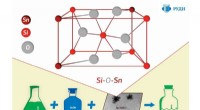
Support Material: The support material plays a vital role in stabilizing the metal atoms and influencing their catalytic performance. Common support materials include metal oxides (e.g., TiO2, CeO2), carbon-based materials (e.g., graphene, carbon nanotubes), and metal-organic frameworks (MOFs). The interaction between the metal and the support can modify the electronic structure and enhance the catalyst's activity and stability.
Reaction Mechanisms: The reaction mechanisms through which SACs facilitate the degradation of organic pollutants in AOPs are complex and involve multiple steps. SACs can activate peroxymonosulfate (PMS), hydrogen peroxide (H2O2), or persulfate (S2O82-) to generate OH radicals. The specific pathways depend on the metal-support interactions, solution chemistry, and the nature of the pollutants.
Process Optimization: Optimizing the AOP conditions is essential to maximize the efficiency of SACs for water purification. Factors such as pH, oxidant concentration, SAC loading, and reaction temperature need to be carefully controlled to achieve optimal OH radical generation and pollutant removal.
Stability and Reusability: The stability and reusability of SACs are crucial for their practical application in water purification systems. SACs should exhibit high durability under harsh reaction conditions and maintain their catalytic activity over multiple cycles without significant leaching or deactivation.
Researchers employ various experimental techniques and computational modeling to investigate the impact of SACs on water purification in AOPs. These include catalyst characterization, activity tests, kinetic studies, and density functional theory (DFT) calculations. By understanding the structure-activity relationships and reaction mechanisms, scientists aim to design and optimize SACs with enhanced performance for water purification applications.