How does it work? Here's the story behind the buried tea bags:
Tea Bag Decomposition Experiment:
In 2007, a team of researchers led by Dr. Andrew Moldenke from the University of New Hampshire embarked on a unique experiment involving 36,000 tea bags. They buried these tea bags in 20 different forest sites across the United States, ranging from tropical rainforests to temperate forests to deserts.
Why tea bags? Well, tea bags are convenient, standardized units of organic matter. They are made of cellulose fibers from the tea plant, which are similar to other plant materials found in nature. Plus, tea is easily degradable, making it a good candidate for studying decomposition.
Each site had 960 tea bags, divided into four different treatments. Some were left in nylon mesh bags, while others were placed directly in the soil, either at the surface or buried. This setup ensured that the researchers could separate the effects of soil type, climate, and depth on decomposition.
Monitoring and Analysis:
The researchers monitored the decomposition of the tea bags over the course of a year. They carefully extracted the bags at various time points and analyzed the remaining tea material to determine how much had decomposed.
By measuring the weight loss and analyzing the chemical composition, they could track the breakdown of organic matter and estimate the rate of decomposition in different environments. This allowed them to compare how environmental conditions, such as temperature and moisture, influenced the decomposition process.
Findings and Significance:
The results of the buried tea bag experiment revealed several important findings:
1. Decomposition Rates Vary:
Decomposition rates varied significantly across different sites. Tea bags in warmer and wetter climates decomposed faster than those in cooler and drier environments. This is mainly due to the increased activity of decomposing organisms, such as bacteria and fungi, in warmer and wetter conditions.
2. Soil Type and Depth Matter:
Soil type and depth also had an impact. Decomposition rates were faster in sandy soils than in clay soils, and tea bags buried deeper in the soil decomposed slower than those closer to the surface. This is because deeper soils tend to have lower oxygen levels, which can slow down decomposition.
3. Contribution to Carbon Cycle:
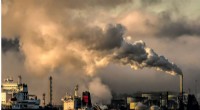
The study helped scientists estimate how much plant material decomposes annually and how much carbon dioxide (CO2) is released as a result. Decomposition plays a crucial role in the carbon cycle, where carbon stored in organic matter is released back into the atmosphere as CO2. By understanding decomposition rates, scientists can improve models of global carbon cycling.
4. Implications for Climate Change:
This research highlighted the potential impacts of climate change on decomposition. As global temperatures rise, decomposition rates may accelerate, leading to faster release of CO2 from organic matter and potentially exacerbating the greenhouse effect. Understanding decomposition processes is therefore important in predicting the consequences of climate change on the carbon cycle.
So, there you have it. Buried tea bags have played a meaningful role in advancing our understanding of global decomposition. They've helped scientists unravel the complexities of environmental factors that influence how organic matter breaks down, and deepen our knowledge of the intricate processes that shape the Earth's carbon cycle.