Molecular gastronomy is a scientific discipline that studies the physical and chemical transformations that occur in food during cooking. It is a relatively new field, with its origins in the 1990s. Molecular gastronomists use a variety of techniques, including spectroscopy, chromatography, and microscopy, to study the interactions between food components.
Here is a simplified explanation of how molecular gastronomy works:
1. Food is composed of molecules. These molecules are made up of atoms, which are the basic building blocks of matter.
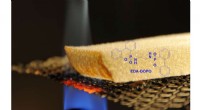
2. When food is cooked, the molecules interact with each other and with the heat source to produce changes in the food's texture, flavor, and aroma. For example, when meat is cooked, the proteins in the meat break down and the amino acids rearrange themselves to form new compounds that give the meat its characteristic flavor.
3. Molecular gastronomists use their knowledge of food science to create new and innovative dishes. They experiment with different combinations of ingredients and cooking techniques to create dishes that are both delicious and visually appealing.
Here are some examples of how molecular gastronomy has been used to create innovative dishes:
- Spherification: This technique involves using sodium alginate and calcium chloride to create small spheres of liquid that burst in the mouth.
- Foaming: This technique involves using a variety of ingredients, such as egg whites, lecithin, and gelatin, to create foams that can be used as toppings or garnishes.
- Sous-vide cooking: This technique involves cooking food in a vacuum-sealed bag at a precisely controlled temperature. This allows for more precise cooking and can help to preserve the food's nutrients.
Molecular gastronomy is a fascinating field that is constantly evolving. As our understanding of food science continues to grow, so will the possibilities for creating new and innovative dishes.