Clean coal technologies can include:
1. Coal Washing: This process removes impurities and reduces the ash content of coal before combustion, resulting in lower emissions.
2. Flue Gas Desulfurization (FGD): FGD systems remove sulfur dioxide from the exhaust gases of coal-fired power plants using various methods, such as wet scrubbing, dry scrubbing, or limestone injection.
3. Selective Catalytic Reduction (SCR): SCR systems reduce nitrogen oxide emissions by injecting ammonia or urea into the flue gases, converting the pollutants into harmless nitrogen and water vapor.
4. Electrostatic Precipitators (ESPs): ESPs remove particulate matter from the flue gases by applying an electric charge, causing the particles to adhere to collecting surfaces.
5. Fabric Filters: Fabric filters, also known as baghouses, utilize woven or felted fabric to capture particulate matter from the flue gases.
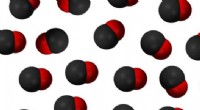
6. Carbon Capture and Storage (CCS): CCS involves capturing carbon dioxide emissions from power plants and storing them underground, preventing their release into the atmosphere.
7. High-Efficiency Boiler Designs: Advanced boiler designs can improve the efficiency of coal-fired power plants, leading to reduced coal consumption and lower emissions.
8. Gasification and Combined Cycle (IGCC): IGCC plants convert coal into a synthetic gas (syngas) which is then used to generate electricity with a high-efficiency gas turbine combined with a steam turbine.
While clean coal technologies can mitigate some of the environmental impacts associated with coal-fired power plants, they may also increase the cost of electricity production and raise concerns about the overall sustainability and viability of coal as a primary energy source in the long term.